DRIVING INNOVATION THROUGH SUSTAINABILITY
In January 2026, I attended the ESSEC Executive Education masterclass “𝐷𝑟𝑖𝑣𝑖𝑛𝑔 𝑖𝑛𝑛𝑜𝑣𝑎𝑡𝑖𝑜𝑛 𝑡ℎ𝑟𝑜𝑢𝑔ℎ 𝑎𝑛𝑑 𝑓𝑜𝑟 𝑠𝑢𝑠𝑡𝑎𝑖𝑛𝑎𝑏𝑖𝑙𝑖𝑡𝑦” by Prof. Tommaso Ramus. For companies in animal health, the lessons on purpose-driven innovation and strategic CSR are highly relevant.
💡 𝐓𝐚𝐤𝐞 𝐇𝐨𝐦𝐞 𝐌𝐞𝐬𝐬𝐚𝐠𝐞:
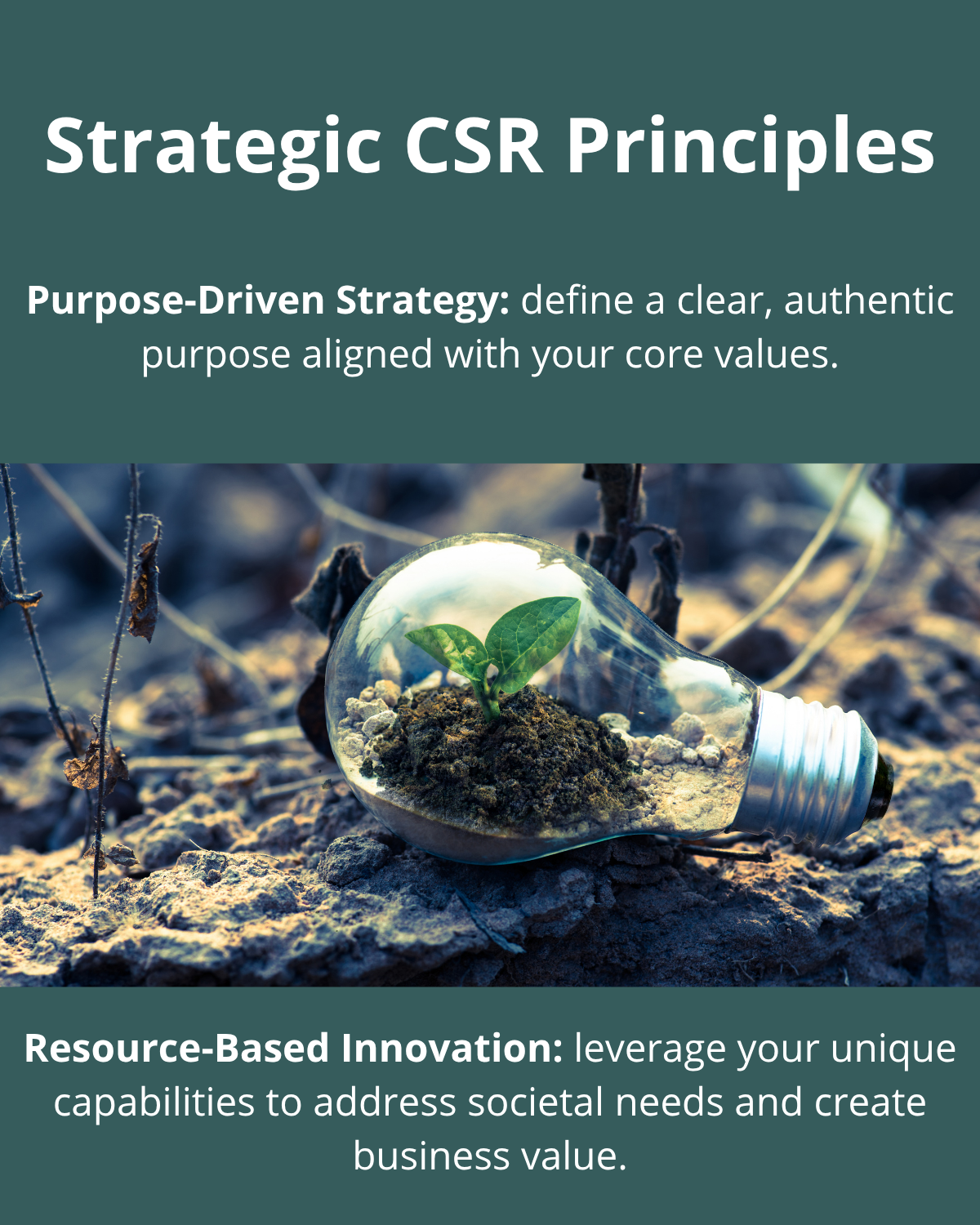
CSR can drive competitive advantage, but only if it is purpose-driven, aligned with unique capabilities, and company-specific.
🔍 𝐇𝐨𝐰 𝐭𝐨 𝐢𝐝𝐞𝐧𝐭𝐢𝐟𝐲 𝐲𝐨𝐮𝐫 𝐜𝐨𝐦𝐩𝐚𝐧𝐲’𝐬 𝐮𝐧𝐢𝐪𝐮𝐞 𝐢𝐧𝐭𝐞𝐫𝐬𝐞𝐜𝐭𝐢𝐨𝐧 𝐛𝐞𝐭𝐰𝐞𝐞𝐧 𝐬𝐨𝐜𝐢𝐞𝐭𝐚𝐥 𝐧𝐞𝐞𝐝𝐬 & 𝐛𝐮𝐬𝐢𝐧𝐞𝐬𝐬 𝐨𝐩𝐩𝐨𝐫𝐭𝐮𝐧𝐢𝐭𝐢𝐞𝐬?
Turning purpose into practical impact requires a structured approach:
1️⃣ 𝐃𝐞𝐟𝐢𝐧𝐞 𝐚 𝐬𝐩𝐞𝐜𝐢𝐟𝐢𝐜, 𝐚𝐮𝐭𝐡𝐞𝐧𝐭𝐢𝐜 𝐩𝐮𝐫𝐩𝐨𝐬𝐞
- Focus on the area where your company can create real societal impact.
- Embed it in culture, mission, products, and practices.
2️⃣ 𝐀𝐧𝐚𝐥𝐲𝐬𝐞 𝐲𝐨𝐮𝐫 𝐝𝐢𝐬𝐭𝐢𝐧𝐜𝐭𝐢𝐯𝐞 𝐫𝐞𝐬𝐨𝐮𝐫𝐜𝐞𝐬
- Tangible & intangible assets
- Core skills & capabilities
- Human capital & organisational values
3️⃣ 𝐅𝐢𝐧𝐝 𝐭𝐡𝐞 𝐢𝐧𝐭𝐞𝐫𝐬𝐞𝐜𝐭𝐢𝐨𝐧
- Map where societal needs align with your unique capabilities.
- Identify opportunities to:
* Develop innovative products/services that increase customer willingness to pay 💰
* Create innovative processes or business models that reduce costs while addressing societal needs ⚙️
4️⃣ 𝐕𝐚𝐥𝐢𝐝𝐚𝐭𝐞 𝐚𝐥𝐢𝐠𝐧𝐦𝐞𝐧𝐭 𝐰𝐢𝐭𝐡 𝐞𝐱𝐩𝐞𝐜𝐭𝐚𝐭𝐢𝐨𝐧𝐬
- Ensure initiatives match what customers, partners, and stakeholders value.
💡 𝐊𝐞𝐲 𝐈𝐧𝐬𝐢𝐠𝐡𝐭:
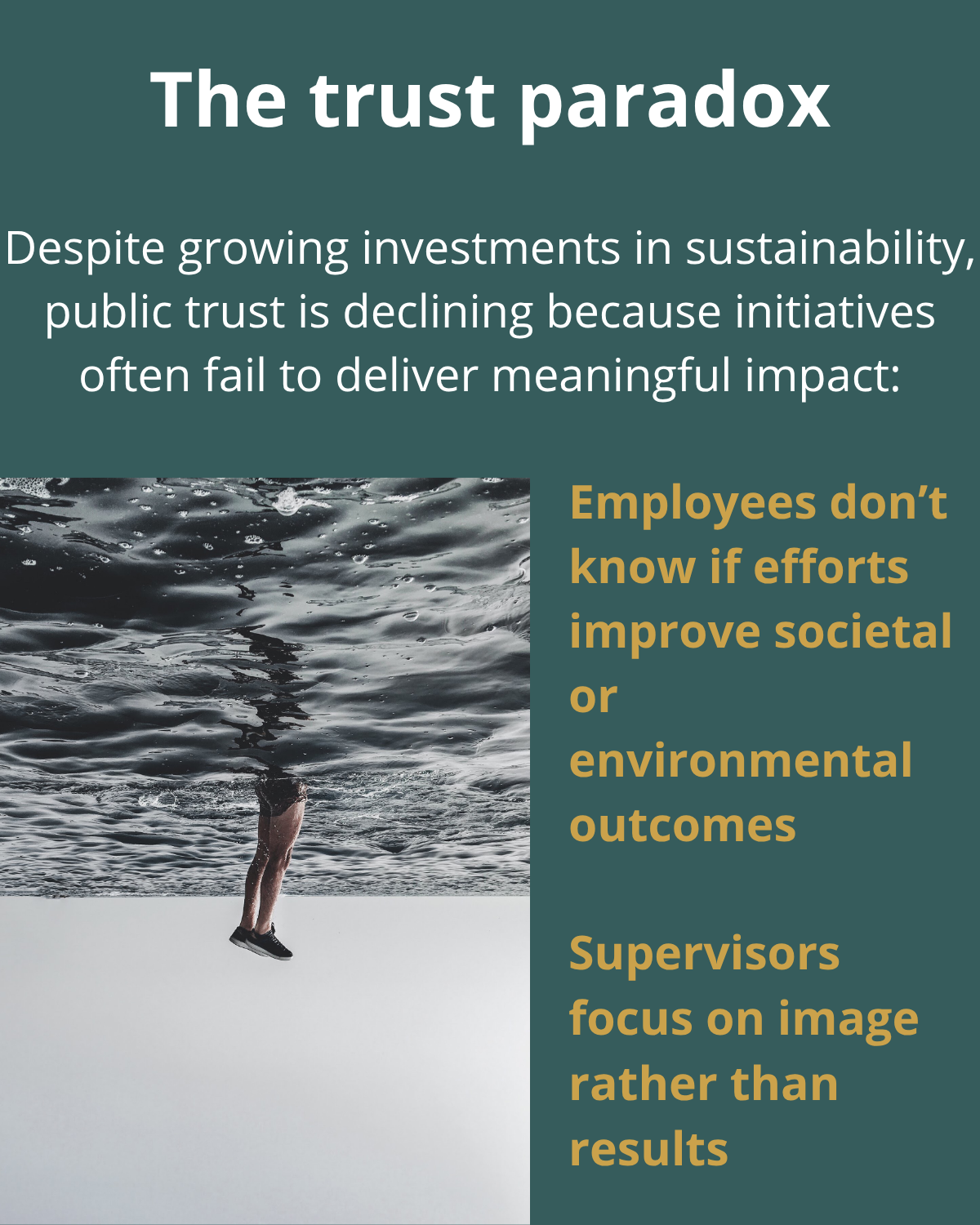
This process ensures CSR investments 𝐠𝐞𝐧𝐞𝐫𝐚𝐭𝐞 𝐦𝐞𝐚𝐧𝐢𝐧𝐠𝐟𝐮𝐥 𝐢𝐦𝐩𝐚𝐜𝐭, rather than symbolic initiatives.
📊 𝐓𝐮𝐫𝐧𝐢𝐧𝐠 𝐂𝐒𝐑 𝐬𝐭𝐫𝐚𝐭𝐞𝐠𝐲 𝐢𝐧𝐭𝐨 𝐦𝐞𝐚𝐬𝐮𝐫𝐚𝐛𝐥𝐞 𝐢𝐦𝐩𝐚𝐜𝐭
After defining purpose and identifying the unique intersection, the next challenge is: 𝐡𝐨𝐰 𝐝𝐨 𝐲𝐨𝐮 𝐤𝐧𝐨𝐰 𝐲𝐨𝐮𝐫 𝐢𝐧𝐢𝐭𝐢𝐚𝐭𝐢𝐯𝐞𝐬 𝐭𝐫𝐮𝐥𝐲 𝐦𝐚𝐤𝐞 𝐚 𝐝𝐢𝐟𝐟𝐞𝐫𝐞𝐧𝐜𝐞?
Key steps:
➡️ 𝐒𝐞𝐭 𝐜𝐥𝐞𝐚𝐫, 𝐪𝐮𝐚𝐧𝐭𝐢𝐟𝐢𝐚𝐛𝐥𝐞 𝐢𝐦𝐩𝐚𝐜𝐭 𝐠𝐨𝐚𝐥𝐬: environmental, social, or organisational outcomes
➡️ 𝐓𝐫𝐚𝐜𝐤 𝐩𝐫𝐨𝐠𝐫𝐞𝐬𝐬 𝐰𝐢𝐭𝐡 𝐫𝐞𝐥𝐞𝐯𝐚𝐧𝐭 𝐊𝐏𝐈𝐬: beyond standard ESG metrics
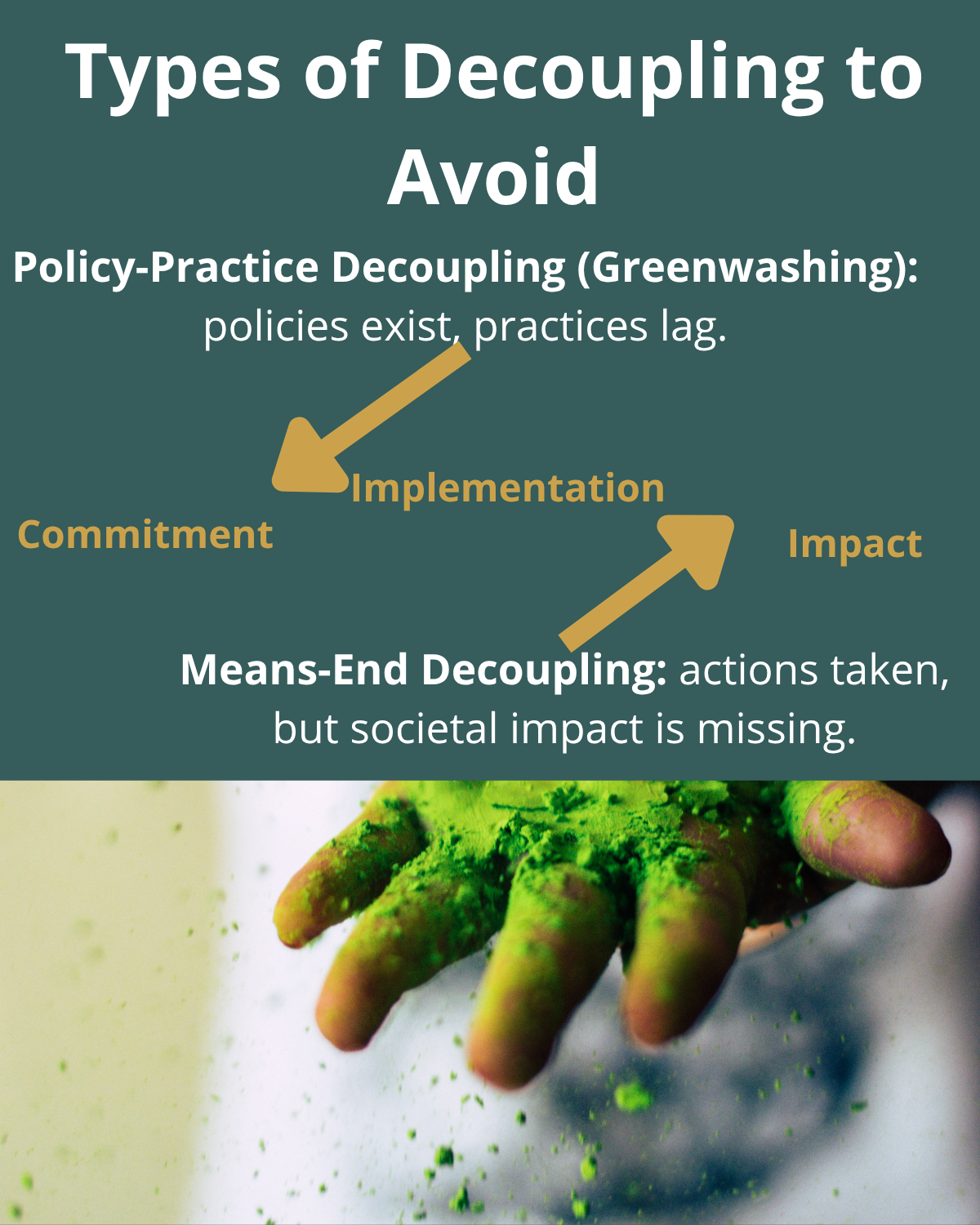
➡️ 𝐂𝐨𝐦𝐦𝐮𝐧𝐢𝐜𝐚𝐭𝐞 𝐢𝐦𝐩𝐚𝐜𝐭 𝐭𝐫𝐚𝐧𝐬𝐩𝐚𝐫𝐞𝐧𝐭𝐥𝐲: authenticity builds trust and avoids greenwashing
➡️ 𝐈𝐭𝐞𝐫𝐚𝐭𝐞 & 𝐢𝐧𝐧𝐨𝐯𝐚𝐭𝐞: refine initiatives based on outcomes and feedback
💡 𝐓𝐚𝐤𝐞 𝐇𝐨𝐦𝐞 𝐌𝐞𝐬𝐬𝐚𝐠𝐞:
CSR is not a box-ticking exercise: it’s a strategic lever. By measuring, learning, and iterating, companies can 𝐜𝐫𝐞𝐚𝐭𝐞 𝐫𝐞𝐚𝐥 𝐬𝐨𝐜𝐢𝐞𝐭𝐚𝐥 𝐯𝐚𝐥𝐮𝐞 𝐰𝐡𝐢𝐥𝐞 𝐠𝐚𝐢𝐧𝐢𝐧𝐠 𝐜𝐨𝐦𝐩𝐞𝐭𝐢𝐭𝐢𝐯𝐞 𝐚𝐝𝐯𝐚𝐧𝐭𝐚𝐠𝐞.